Showing posts with label Reading Notes. Show all posts

Tuesday, November 29, 2016

Reading Notes: Seven Secrets From the Hindu Calander Art Part D

I'm still enjoying this series quite a bit. It does get a bit dry but since this is probably the last reading assignment I have left in this class, I figured I might as well just get it done with since I already had come so far with the series. This portion focused on two videos: "Shiva's Secret Part 2" and "Devi's Secret". Personally I liked Shiva's secret a bit more. It was just a bit denser on material I felt and overall it was a more enjoyable watch. The visuals are never great though but they're not a huge component thankfully. It could still be better though.

I did like all the material that I learned about Shiva. Shiva is shown to be a destroyer - he beheads his father-in-law but he also has other roles in the Hindu religion and system. It's very interesting to me to be able to read this kind of information when I really wouldn't have been exposed to it otherwise. The main roles focused on here are the transition from destroyer to householder and this unfolds through the familial conflict between Shiva and his wife's family. Shiva doesn't understand the social order around him and thus he is trying to destroy it. Shiva the destroyer is also shown to be very mournful after he loses his wife and he sulks greatly. The other gods try to pressure him into marriage but he is too defeated.

Biblography: Seven Secrets from hindu calendar art, link

File:Lord Shiva Images - An artistic representation of Lord Shiva and the 12 Jyotirlingas associated with him.jpg
(Lord Shiva Images - An artistic representation of Lord Shiva and the 12 Jyotirlingas associated with him, wikimedia commons)

Monday, November 28, 2016

Reading Notes: Seven Secrets from the Hindu Calender part C

So I've been enjoying this series quite a bit and though it's been over a week since I last looked at it, it's still fairly fresh in my mind. I've personally found that going through and reading the transcript below before watching is the best way to glean what's going on. What I mean by this is if you want to try this series, make sure you open up all the links in the transcript below and get a feel for the topic material because the video goes very quickly and you'll get lost if you don't already have a pretty good idea of what they're talking about. So it's really worth reading the notes that are provided below. If you don't you'll certainly regret it.

There's plenty of interesting and new information in these videos as well. I found it very interesting that there is idea that God can be modeled with form and without and that there are even words to describe this. In these cases, the formless one is the more perfect one because any form is inherently limited. It is made clear though that when god is modeled with form there can be certain forms that present the best example for Hindus to see so that they don't just have to believe in this abstract idea. It's very interesting to me because it acknowledges the weaknesses of the human mind and seeks to satisfy those. It

Bibliography: Seven Secrets from the Hindu Calendar, link 

File:Standing Ardhanari c.1800.jpg
(Standing Ardhanari, wikimedia commons)

Tuesday, November 15, 2016

Reading Notes: Seven Secrets of Hindu Calendar Art Part B

So I have continued on with the series "Seven Secrets of Hindu Calender Art" and I still enjoy it quite a bit. I think I'm finding that reading the notes in advance before watching the video itself is actually the best way to enjoy this series. Just like "Seven secrets of Vishnu", this series is extremely dense and I mean extremely dense. It's very hard to follow what's going on unless you already understand what is happening. Thus, I really reccomend reading the notes before you actually start watching the videos themselves. There is a massive trove of information within these videos and you'll get new information every few seconds and so using the wikipedia links while you watch is still reccomeded. Being able to have links to these new topics that pop up is really useful.

As for the actual information in the series, it's of very good quality and the explanation format works very well. I found it really interesting that the Greeks did not believe in rebirth. I guess I'd always known the Greeks believed in an afterlife but the separation between an actual rebirth and an afterlife is a very distinct point that I guess was clarified by this video series. The focus on rebirth in Hinduism is almost something entirely unique to it in its form.

Biblography: Seven Secrets of Hindu Calendar art, link

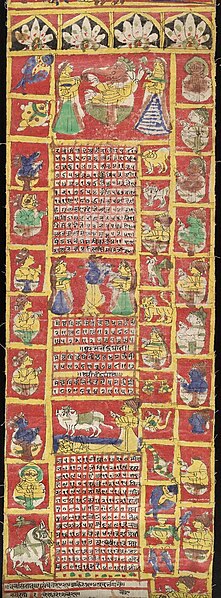
File:Hindu calendar 1871-72.jpg
(Calendar art, wikimedia commons)

Monday, November 14, 2016

Reading Notes: Week 13 Seven Secrets from Hindu Calendar Art

So I decided to do another video series and honestly, this one is so much better than the series "The Seven secrets of Vishnu" that I watched for the past few weeks. Like I had no idea how much I was missing and I even tried to use Wikipedia in the last series and I still missed so much. This is so much better with the annotated notes that really show you what's going on and give the actual meaningful information behind the piece. I immensely appreciate all the work put into the notes so thank you Laura for making this stuff much more accessible. I actually am really glad to be able to access this material for once. I had been so discouraged with the last one I went through over three weeks.

Bibliography: Seven Secrets of Hindu Calendar art, link

File:Hindu calendar 1871-72.jpg
(Hindu Calendar, wikimedia commons) 


Tuesday, November 8, 2016

Reading Notes: The Seven Secrets of Vishnu Part F

I have finally come to part F of this video series and I will admit, it was very hard to stay focused on this while constantly checking for election updates throughout it. I'm still nervously glancing out updates and listening to it in the background. But back to the material at hand. I'll repeat that this isn't the best series for several reasons. It's very technical and gives little background info, it moves very quickly with little reason for transitions, and it's visuals could be slightly better. All that said, this isn't the worst series either. You will gain some information from this series. It is an extremely informative series but so much of the information is quite dense and hard to digest, that so much of it will go over the viewers head if they're not pausing to watch. I do recommend keeping Wikipedia open to search anytime something new or someone new is mentioned because otherwise, you'll get confused very quickly. Pause often and look things up if you want to follow along.

These final two videos are pretty good. It's very interesting how they discuss the role of thoughts behind actions and the background information behind that idea is very well done. There is a heavy focus on the weight given to every action that goes beyond just the results of the action. Everything behind it has weight as well. I also enjoyed that this part was on Krishna as I have been doing several stories about Krishna over the past few weeks.

bibliography: Seven secrets of vishnu, link

File:Krishna shows Arjuna his universal form (bazaar art by C. Konddiah Raja, c.1950's.jpg
(Krishna shows Arjuna his universal form, wikimedia commons)

Monday, November 7, 2016

Reading Notes: Week 12: Seven Secrets of Vishnu Part E

So despite being very discouraged by my last two weeks with this material, I've decided to trudge on just to finish it at this point. I didn't want to not finish it considering I've already made it this far. I definitely kind of regret doing it. I was hoping against hope that this piece would be slightly more accessible. I know the Calandar art set has notes so I'll check those out next week. At this point, the series has been very informative, but it is extremely dense.

The content here is very good though. The discussions on the various warring factions involved in Indian folklore is extremely interesting because they focus not on the most obvious elements that I'm used to seeing in literature. The narrator explains how the battles either vertically or horizontally for different groups. It's a very interesting dynamic that I hadn't really considered before and the way it's explained is actually one of the better pieces in this series.

Again, humanity is held as high above all other earthly creatures which makes sense for the time and place. It's a pretty common trope in religion and folklore - humanity is always the most powerful being on the planet excluding the occasional godly visits. It is interesting though that the focus here is how humans are held to a certain standard to try to maintain the more noble qualities of mankind and the earth itself. It's very interesting on how the battle between the more baser natures and higher natures is portrayed as an actual war.

Bibliography: Seven Secrets of Vishnu, link

File:Valmiki Ramayana.jpg
(Valmiki Ramayana, wikimedia commons)

Tuesday, November 1, 2016

Reading Notes: Seven Secrets of Vishnu Part D

Today I continued watching the series, the seven secrets of Vishnu and I still very much enjoy it. It's not the easiest story to follow. It's pretty hard to follow along and I find myself constantly checking things on wikipedia just to be able to understand what's going on, but at some points, I just let it roll and try to follow along. It breaks the flow too much if I'm pausing every ten seconds to go looking something up and then I lose track of what's actually being described. It is still very informative - almost too informative though as it tends to just shower you with new information. For example we start off hearing about the goddesses of wealth and learning and I as the viewer am following along generally at this point, the stage has been set, we have these two characters and so now let's see where we go with this. We get some good information about how they look and the images give us some basic information and we even get some personality information about them but as soon as the descriptive elements pass, we get into another word salad of information where new characters show up and actions are happening and it's not really clear where we are in space. I still feel like there's a ton of material there but I'm struggling so much to absorb it right now.

Bibliography:  Seven secrets of Vishnu, link

File:Indian - Dwarf Form of Vishnu - Walters 25260.jpg
(Vamana statue, wikimedia commons)

Monday, October 31, 2016

Reading Notes Week 11: Seven Secrets of Vishnu Part C

So I have decided to continue on with the series The Seven Secrets of Vishnu. Today I watched the videos for part C and was still really intrigued by the material. I found it all very interesting though I still have one major concern with the format. They name-drop in these videos so freaking much that I can never really follow along without having to pause every few seconds and these aren't simple names either - often it's very major new characters being introduced and they're just breezed over as if the viewer is already supposed to know what's going on. It's almost like this is made mostly for people who already know what's being talked about or are at least familiar with the material. I recognize some of the names of people, places, and things that are mentioned but so many of them just breeze by that I'm left feeling out of the loop if I don't pause very often.
Outside of that main concern, I still like this series. You do have to pause often on your own to make sure you understand what's going on and Wikipedia is very important with that but it's doable. It's nice that this material exist even if it isn't done in the most ideal format for an outsider like me. It's still an enjoyable and educational watch.

Bibliography: Seven secrets of Vishnu, link

File:Kurma deva.jpg

Tuesday, October 25, 2016

Reading Notes Week 10: Pattanaik's Secret Secrets of Vishnu: Part B (Matsya)

So I've continued to watch this series on the seven secrets of Vishnu and I have to say it's been pretty enjoyable so far. It's well done, has good production value for what it is, and is extremely informational. I have to echo again just how nice it is to actually get the little details of the history pieces after watching the short Epifed pieces I watched in the past. This is really a breath of fresh air because it actually gives you everything you could ever want to know and more. I love it. I've always been really into history and wanting to know more about something when I heard something. Wikipedia has always been a great resource for that kind of background information but often I find myself digging deeper and deeper into wikipedia and I end up with the philosophy problem - you know the idea that if you spend enough time clicking random links in wikipedia, you'll end up on the page for philosophy. But back to the main material. This day's material covered the secret: "Only humans can empathize and exploit". The material feels very religious in nature - it's that kind of "man is superior to all other beings" kind of thing but is interesting how it is manifested in these pieces for today. The basic idea is that humans are the most superior creature because they have a larger brain and it's postulated that this is modeled in Hinduism with a mark of vishnu on the forehead. The idea is that it's to show that the human brain is something unique in nature. Overall, it was a very enjoyable watch and I think I learned quite a bit from it.

Bibliography: Pattanaik's Secret Secrets of Vishnu: Part B (Matsya) link

File:Matsya avatar.jpg
(Matsya image, wikimedia commons)

Monday, October 24, 2016

Reading Notes: Pattanaik's Secret Secrets of Vishnu: Part A Week 10

So I decided to with another video option because I find them very easy to gain information from with tight time constraints and also because they've generally been a very fun and exciting way to learn the new material. I actually expected this one to be a lot like the epified Mahabharata or the epified Krishna, but I was pleasantly surprised when it was something much deeper in information. It wasn’t just surface information like the epified videos generally were. This video series really digs into the meet of the topic and discusses why each little detail is important. I like how the difference between material reality and spiritual reality is made explicitly clear and the creators go very in depth in explaining the common tropes and metaphors used to represent each. It’s nice to get some background information with the material for once. It’s kind of like the public domain versions of the Ramayana and the Mahabharata. If you remember, those had tons of links that took you to Wikipedia pages that explained all sorts of things that a casual western reader may not understand whether it be a cultural thing or a specific deity or character that is known in Indian mythology but not in western myths. It was a very fun watch and I actually learned quite a bit from these two videos. I’m excited to watch the next ones.

Bibliography: Pattanaik's Secret Secrets of Vishnu, link


File:Mohini Halebid.jpg
(Mohini Statue, wikimedia commons)

Tuesday, October 18, 2016

Reading Notes Week 9: Epified Krishna Part B

So I’ve continued on with the story of Krishna as done by Epified. It’s a really interesting series and not one that I probably would have found without this class to lead me to it. I first tried the Epified series with the Epified version of the Mahabharata and though at first, I said that the material doesn’t really go into enough depth, I think I’ve come to a more complete conclusion on that. So even though these are very short and don’t give a ton of detail, you can’t really judge them on that scale because they’re not setting out to do that in the first place. They set out to give a cursory overview of the material they’re working with and they do that very well. In some ways, I find the story of Krishna far more interesting just because it’s not as varied and it doesn’t bounce around as much. Personally I felt that the Mahabharta in both the written form and in the Epified version really just bounces around far too much and it makes it very hard to really follow the narrative arcs because there’s constantly new characters and new people being talked about. Now with this story, the narrative is much more focused and targeted around one person and I think this works much better for the Epified format. Instead of telling a bunch of one to three minute stories that only have small connections between them at times, all these stories are very strongly connected. It also feels like the stakes feel higher. From the very beginning of the piece, things have been extremely intense and tumultuous. It really holds the viewer in very well. Finally, I appreciate that the narrators actually have Indian accents because it adds a certain strong cultural tone it that really works well for the piece.

Bibliography: Epified Krishna, link

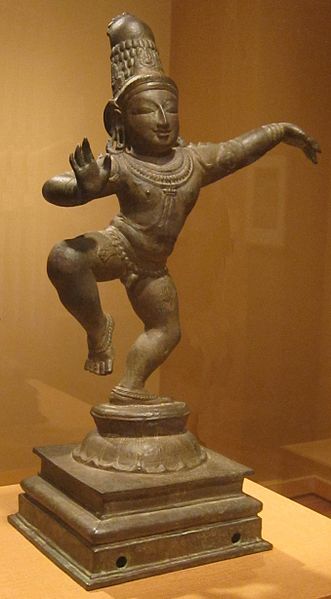
File:Dancing Krishna, India, Tanjore, Tamil Nadu, Chola dynasty, 14th century, bronze, HAA.JPG
(Krishna Statue, wikimedia commons)

Monday, October 17, 2016

Reading notes Week 9: Epified Krishna Part A

I chose to go with the Epified version of Krishna. I made this decision because I really enjoyed the Epified version of the Mahabharta and though I still feel that they don’t give you a ton of information to work with, they do a pretty good job of giving you a basic overview of the material you’re working with. It’s not ideal but it works for the format they’ve chosen. I really do appreciate this kind of format and it makes we wish I had some more artistic skills so that I could pull something off like this. The white board animation is really interesting and it’s even more interesting when you consider that they’re making sure the timeline of the narrations fits the drawn components and I wonder if they speed up or slow down certain drawings in order to fit the narration constraints rather than vice-versa. It certainly seems like that would be the easier of the two options. I guess the other option would just be creating the narration after you’ve done the drawing – so for example, you know it takes three minutes to play the video of the drawing and so you just constrain the narration you write into that three minute block. Either way, it’s an extremely effective and interesting way of presenting material. Even though it’s not the most in-depth, it’s a great way to give outsiders a brief glimpse into the material without being too intensive. I do sometimes struggle to hear all the names they say and this is one area where the written version of the stories really win out. It’s hard to tell who is being described at times unless you’re familiar with many of the names already. Due to my cultural difference, it’s taken a bit longer to catch onto the various names and places.


Bibliography: Epified Krishna, link


File:Sri Mariamman Temple Singapore 2 amk.jpg
(Krishna statue, wikimedia commons)

Tuesday, October 4, 2016

Reading Notes: Epified Mahabharata Part B

Again, I just want to reiterate what a creative method of presentation this is. I haven’t seen that many white-board animated videos before but just seeing this series has intrigued me to go and try to seek out others. It’s a unique style that I really hadn’t seen until now and I’ve really enjoyed it. The story itself develops as the drawing develops. It would take some careful timing and writing to put together and it might be easier to just do the drawing and then put the voice parts on top. I imagine it’d be hard to time out the drawing itself but now that I think about it, you could probably control it by just changing the speed at which the drawing is played back. It’d be a subtle change for the viewer but make very significant changes for the animators and writers who are trying to fit the narrative story to the images being presented.


The story itself is still very barebones. Even though I read the public domain edition, I still feel that went far more in depth than these pieces do. I’d be interested in perhaps seeing them make a longer piece or perhaps a podcast version that you can just listen to. That way you can get the material and their creative flair but also get more depth with the material instead of just an overview. As a glimpse into the Mahabharata, it’s okay. It could be better but it’s good introduction or review for whoever finds it. It’s not going to give you all the little details, but it has enough entertainment value to keep you watching videos about a subject that you might not otherwise watch. I know I was surprised by how much I enjoy the format. It’s really a unique and creative presenation style for this epic.

Biblography: Karmic Revoltion, Epified


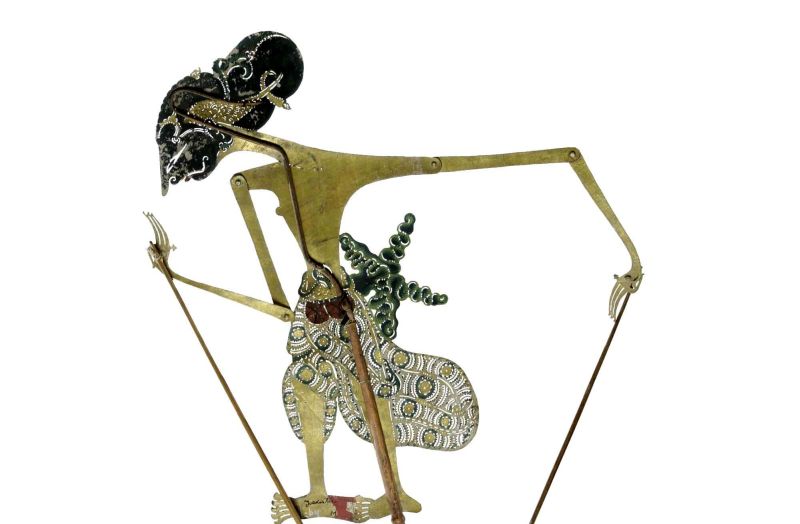
File:COLLECTIE TROPENMUSEUM Wajang kulit pop voorstellende Yudhistira TMnr 8-264.jpg
(Wajang kulit pop voorstellende Yudhistira, wikimedia commons)

Monday, October 3, 2016

Reading Notes: Epified Mahabharata part A

So I chose to watch the white-board animated option for this week’s reading and though I wasn’t expecting much, I was really impressed with it. This video series is done by Epified and it doesn’t look like they’ve completely finished everything yet as they’re doing one video a week but from just watching this part A collection, I’ve been very impressed. It’s an entirely unique and creative way of presenting this narrative epic in an extremely simplistic but still easy to follow yet significant manner. It’s very well done. The artist(s) are very good at what they do and the narrators do an excellent job of explaining what is going on. It does sometimes feel a little more like summary though and I occasionally wish it would go just a bit deeper with the material. As a review, it’s great. I do find myself struggling with the names often because I guess I pronounced them differently in my head when reading them than what they’re actually supposed to be and that results in this kind of disconnect where I don’t know who is being talked about currently at times but usually I can get back in to the material as soon as they give some information about what the person is doing and then I remember.


Ultimately, I wish I could do something like this. I can’t draw and I can’t animate so I’m kind of out of luck on that front but it’s something I think I’d really enjoy. I like writing and though I’m not the best at it, it’s still a fun hobby of mine that I like to practice whenever I can. Seeing things like this tempts to me to grab some animation software so I can make my own animated stuff but I guess I know I’ll never end up doing it.

Biblography: Karmic Revolution, Epified, link

File:General Bhimasen.jpg
(General Bhimasen, wikimedia commons)

Tuesday, September 27, 2016

Reading Notes: PDE Mahabharata Part D

There’s so much conflict here and we really don’t see a ton of variation in styles for whatever reason. The general format we see here is very matter of fact and almost historical sounding, which makes the piece have a certain weight to it, but it can weaken the strength of some of the more intense and emotional scenes like when Bhishma finally falls. I think I’d want to really play up the raw emotional aspects of many of these scenes. They’re horrible tragic and they could be done very well. It could be interesting to do a sort of modernized letter (like one sent from the military to a deceased spouse) to alert someone of a family member’s death. It could make for a fun writing project.


I’ll definetly need to include conflict in this week’s piece as there really is just so much of it. We see so many battles and so many horrible tragedies of war. I’d be amiss to not use that kind of beautiful and compelling source material in my writings for this week’s storytelling. The very somber tone that is carried throughout many of the pieces in this reading works very well to express the gravity of what is actually going on. It leaves the reader in a constant state of nervousness and fear waiting for the next tragedy to befall the characters we have no doubt bonded with on some level by now. I hope to be able to emulate that kind of tone if only half as well. It does such a good job of bringing the reader in and giving them something to actually care about so they keep reading. It’s a great stylistic tool and I want to try to emulate it. Perhaps the best example of it is in Ghatotkacha.

Bibliography: PDE Mahabharata, link

File:Death of Drona.jpg
(Death of Drona, wikimedia commons)

Monday, September 26, 2016

Reading Notes: Public Domain Mahabharata Part C

It’s very interesting to see how many parallels there are between the Mahabharata and the Ramayana. Many of the same tropes and themes pop up throughout and this is probably true of most ancient stories that probably originally were passed through oral tradition. I do wonder is there is any actual crossover of the pieces in the originals or if it is just due to the effects of oral tradition but I guess there’s no way to know for sure. We see some small connections throughout for sure, though.

The tale definitely takes on a more epic and arduous format here. The journey through the forest is a very universal archetype that shows up time and time again in literature. Here we see the Pandavas wandering in the forest and as almost always happens with this archetype, they further develop themselves and their minds.

Once again, the gods play a very important role in helping out our characters. Both the god of the sun and Krishna make appearances very early on and promise their assistance. It’s something I’m really not used to seeing in literature and much of my storytelling for this class has essentially avoided it or tried to lower the role of the fantastic but I’m thinking I may want to try to include a little more in the future. I don’t want to make it too strong, but it’s certainly worth trying to include. If I were to revise my latest piece, I would consider adding a more divine aspect to it. I think it could really change the nature of the piece.


It’s interesting to see how some of the pieces are almost comical in nature while many of them are very serious and dark. I’m not sure if it has to do with the various authors involved in the public domain edition or if this is actually in the original, but it’s very interesting none the less. 

Bibliography: Public Domain Mahabharata, link


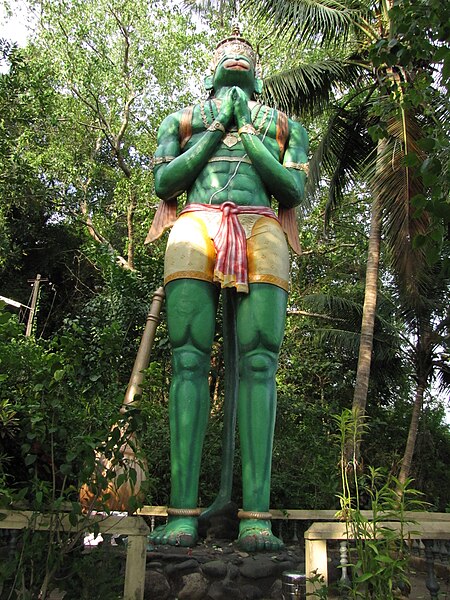
File:Hanuman statue.JPG
(Hanuman statue, Wikimidia Commons)

Tuesday, September 20, 2016

Reading Notes: Public Domain Mahabharata Reading Part B

I’m not sure why but the reading this time around seems much harder to follow. Like it’s either denser or maybe it’s just that we’re being constantly introduced to new characters very quickly and there’s a high amount of changeover with each new scene. It’s leading me to certainly have to read and re-read the pieces in order to get the full jist of the material and I keep having to check the Wikipedia links again and again to stay on task with who is who and why people/things are important. It’s gotten a bit dense. From just a pure writing perspective, it’s good from a more objective stylistic point of view but to a modern reader, it’s almost too historical. I definitely think I’ll take a more narrative tone and style during this week’s storytelling. While the historical style can appeal to some because it feels truer to the piece, I feel like I’ll want to take a more modern stylistic approach and that would be more in line with my writings already anyway.


Thematically, I’ve been drawn to the sort of ambivalent and more random nature that life plays with people. It comes up time and time again that the characters in these tales befall misfortune beyond their control. The beggars at the lac palace are burned to death while sleeping. It’s definitely something I want to try to emulate. I want my story this week to really play up the unpredictability of life (and this is even in a world with gods that directly interact with it). If I choose to use gods in my stories, I want to make sure that even they can fall victim to mistakes and chance. I find it very interesting how the story often portrays the gods as distinctly human in their faults. It’s very interesting.

Bibliography: PDE Mahabharata Link

File:Escape of Pandavas from Fire accident.jpg
(Escape of Pandavas from Fire accident, Wikimedia commons)

Monday, September 19, 2016

Reading notes: Public Domain Mahabharata Part A

Just as when I read the Ramayana for the first time, I’m finding myself having to make ample use of the Wikipedia links that give explanations about various character, people, gods, things, etc to get a full understanding of what’s going on. We again see plenty of fantastical elements. Almost immediately we get that some sperm spilled into a river and a fish ate it, resulting in two children. It’s interesting to look into that line of thought because it would seem to imply a belief that children were purely the result of the male sexual organs. I don’t know enough about historical Indian cultural belief to really tell if this is a really belief or not. It is interesting still though.

I do find it very interesting how the god’s in these stories can often be swayed by both good and evil characters so long as they perform certain actions which are looked at in a positive light by the gods. It’s a very interesting aspect to these stories because so often in western culture, we view the idea of a god or gods as being a noble thing generally seeking good. It reminds me of the older western gods like the Roman or Greek ones where the gods themselves are somewhat more fallible and human in nature. They can be tricked and fall victim to many of the same woes as humans. It’s interesting how the gods themselves are often tricking one another and squabbling or battling over things just as humans in the stories might.


Seeing the sorts of major cultural distinctions different from the ones I know is pretty fascinating. It’s very interesting watching the wives of Pandu debate over which one of them will be able to throw themselves on the funeral pyre. It seems almost ridiculous to an outsider like me but I can see that there is a strong cultural meaning behind it.

Bibliography: Public Domain Mahabharata, link

File:Gandhari reprimands Duryodhana.jpg
(Gandhari reprimands Duryodhana, Wikimedia Commons)

Tuesday, September 13, 2016

Reading Notes: Divine Archer by F.J. Gould part B

It seems I may have been a bit overzealous with my initial belief that the writing style was much less formal than the public domain edition with its many authors, but after reading this section, I felt like it often grew somewhat matter-of-fact. Intense action scenes are often given without much life to them – they’re simply described. Now there are some battles in the war at Lanka that are described very well but it seems like the majority of the time, a more muted manner of description is taken. It works in a way because it makes it clear that is a translation of an older work. If I were to emulate this kind of style, I’d had to maintain a certain distance as the author and make sure the narrator himself has that same distance from the piece so that the descriptions are more plain and simple. This style has its perks though. It greatly increases the overall believability of the piece because things often don’t need explanation. It’s just stated that Rama does this and thus as the reader, we accept it to be truth. It’s a unique way to force weight behind the written words.


I will say that the style here seems to be based in the idea of storytelling and this makes sense given the context of the Ramayana. There’s a certain beauty to it because it takes a more descriptive and narrative path that still allows for certain embellishments by the actual author and though I’ve struggled to find any major changes made by this author, the stylistic changes alone can actually change the emotion and the tone of a scene. For example, when the great vulture tries to save Sita, the scene in this book is much more emotional than the one found in the public domain edition. Even though the description is from a narrator with some distance, there is still strong emotion in the piece.

Bibliography: Divine Archer by F.J. Gould, link

File:Forest dwelling Rama and Lakshmi battle Ravana..jpg
(Forest dwelling Rama and Lakshmi battle Ravana, Wikimedia commons)

Monday, September 12, 2016

Reading Notes: Divine Archer by F.J. Gould Part A

It’s definitely interesting reading the Ramayana in a different form this time around after first reading it with the public domain version. The scene where Kausalya sees Rama as the baby manifest as a god is particularly well done and beautifully written image. I plan to try to emulate the style you see in that scene with my story this week. The language is very florid and very heavy on imagery and description. It makes for a very visual tale which works very well for tales that may be from another culture such as this to a reader like me.


Though the content is basically the same, this kind of novelized story-telling format of the piece is much more appealing to read than the often more matter-of-fact style used in the public domain edition. It’s much more appealing to the reader this way. I could take a lesson from the style here and make sure to write my stories in a more pleasant to read manner like this one. Though the style isn’t entirely modern, it’s still very easy to read to an outsider like me. There’s lots of small bits of information given throughout the work which helps make things clearer. Like when the Brahmans are described as priests. It’s just a little bit of info that helps give the reader needed info. It’s good form in writing to give the reader that kind of info if they might not know it. There’s definitely a fine line though where you can give too much info to the reader and so you only the most important info should be given. This version of the Ramayana tends to only give the info when a new topic first comes up which is a good way of doing it. When new characters arise, they’re always given sufficient background info to make sure the reader knows what’s going on quickly.

Bibliography: Divine Archer by F.J. Gould, link

File:Parashurama.jpg
(Parashurama, wikimedia commons)